
- Home
- Products
- Scrap Materials
- Aluminum Scrap (UBC – Used Beverage Cans)
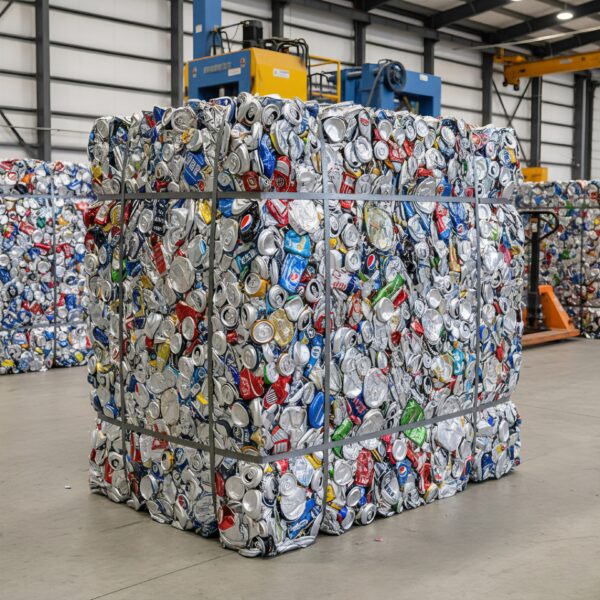
Aluminum Scrap (UBC – Used Beverage Cans)
Lightweight aluminum scrap from beverage cans.
-
High recycling value
-
Uniform material
-
Easy melting
Price: AED 5 / USD 1.20 per kg
Description
Aluminium Scrap (UBC – Used Beverage Cans)
Our Aluminium Scrap (UBC) consists of clean, post-consumer used beverage cans, carefully collected, sorted, and processed to meet international scrap trading standards. Sourced from reliable recycling streams, this grade is widely recognized for its consistent composition, light weight, and high recyclability, making it a preferred raw material for secondary aluminium production.
Processed to remove excess contaminants, UBC scrap offers excellent melting efficiency and recovery rates. Its standardized quality and uniformity make it suitable for re-melting, alloy production, and aluminium rolling mills, supporting sustainable manufacturing and circular economy practices across global markets.
Prepared in compliance with export and handling requirements, our Aluminium UBC scrap is suitable for containerized shipments and long-distance transportation, meeting the specifications of smelters, foundries, and recycling facilities worldwide.
Grade: ISRI TALDACK (Densified Aluminium UBC Scrap)
Source: Post-consumer aluminum beverage cans collected from municipal, commercial, and industrial recycling streams
Aluminium Content: Min. 95% – 97% (Base metal purity)
Recovery Rate: Approx. 92% – 98% (depending on coating/moisture)
Appearance: Mixed colors (printed cans); free from heavy oxidation or dirt.
Form: Flattened and compressed into high-density bales
Coating: May contain original food-grade lacquers or prints; free from plastic liners beyond permissible limits
Contaminants: Max. 1% – 2% total (including plastic tabs, coatings, and trace residues) as per ISRI standards.
Moisture Content: Max. 1.0% – 2.0%
Storage Conditions: Stored in a dry, covered area to prevent water retention and weight disputes.
Packaging* Bundles: 25 – 30 kg per bundle, suitable for containerized shipment
Dimensions: ~ 30 x 30 x 20 cm (per bundle)
Bundling: Compressed and tightly packed bundles using high-tensile steel or PET strapping to maintain integrity during handling and transit
Moisture Control: Large-scale desiccant bags placed inside the container to manage humidity and prevent “container rain” during sea transit
Internal: Containers are lined with protective plastic sheeting to prevent contact with the floor.
HS Code: 7602.00.10